


Announcements
College of Engineering Notice
-

KAIST Kicks Off the Expansion of its Creative Learning Build..
KAIST announced on July 10th that it held a groundbreaking ceremony on July 9th for the expansion of its Creative Learning Building. This project, which celebrates the university's 50th anniversary, will become a significant donation-funded landmark and marks the official start of its construction. < (From left) President Kwang Hyung Lee, Former President Sung-Chul Shin > The groundbreaking ceremony was attended by key donors who graced the occasion, including KAIST President Kwang Hyung Lee, former President Sung-Chul Shin, Alumni Association President Yoon-Tae Lee, as well as parents and faculty member. The Creative Learning Building serves as a primary space where KAIST undergraduate and graduate students attend lectures, functioning as a central hub for a variety of classes and talks. It also houses student support departments, including the Student Affairs Office, establishing itself as a student-centric complex that integrates educational, counseling, and welfare functions. This expansion is more than just an increase in educational facilities; it's being developed as a "donation landmark" embodying KAIST's identity and future vision. Designed with a focus on creative convergence education, this project aims to create a new educational hub that organically combines education, exchange, and welfare functions The campaign included over 230 participants, including KAIST alumni Byung-gyu Chang, Chairman of Krafton, former Alumni Association President Ki-chul Cha, Dr. Kun-mo Chung (former Minister of Science and Technology), as well as faculty members, parents, and current students. They collectively raised 6.5 billion KRW in donations. The total cost for this expansion project is 9 billion KRW, encompassing a gross floor area of 3,222.92㎡ across five above-ground floors, with completion targeted for September 2026. <Internal and external representatives attended the groundbreaking ceremony for the Creative Learning Building> The interior of the building will feature 1st Floor: An alumni enterprise exhibition space and mentoring consultation rooms 2nd Floor: Flagship lecture rooms and a creative convergence platform 3rd Floor: Hybrid classrooms and an edu-lounge 4th Floor: Student welfare spaces 5th Floor: Alumni association lounge and offices This commemorative building campaign was initiated to honor KAIST's 50-year mission of "nurturing core scientific and technological talent for the nation." While originally conceived for KAIST's 50th anniversary in 2021, the construction of the memorial hall was halted due to the COVID-19 pandemic before gaining new momentum with a shift to a horizontal expansion method utilizing the existing Creative Learning Building. Chairman Byung-gyu Chang, who actively participated alongside former President Sung-chul Shin in leading this campaign, shared his thoughts: "I believed my donation could serve as a catalyst, enabling KAIST alumni to unite their efforts, and that would be profoundly meaningful. It is incredibly significant that this memorial hall is being built as a result of that collective endeavor." Alumni Association President Yoon-Tae Lee expressed his hope: "I wish for this memorial hall, created by the wisdom and dedication of KAIST alumni, to become a space where the next generations can cultivate their dreams." <Internal and external representatives are breaking ground at the groundbreaking ceremony> President Kwang Hyung Lee stated, "As the saying goes, 'If you go alone, you go fast; but if you go together, you go far.' Likewise, the collective strength of all our KAIST family members has brought about the birth of this symbolic memorial hall, which will serve as a donation landmark." He added, "KAIST will continue to maintain its status as the world's best science and technology university based on the united power of its members, driving innovation and creating a new culture for the future."
-

King Saud University and KAIST discussed Strategic AI Partne..
< From left> President Abdulla Al-Salman(King Saud University), President Kwang Hyung Lee(KAIST) > KAIST (President Kwang Hyung Lee) and King Saud University (President Abdulla Al-Salman) held a meeting on July 3 at the KAIST Campus in Seoul and agreed to pursue strategic cooperation in AI and digital platform development. The global AI landscape is increasingly polarized between closed models developed by the U.S. and China’s nationally focused technology ecosystems. In this context, many neutral countries have consistently called for an alternative third model that promotes both technological diversity and open access. President Lee has previously advocated for a "Tripartite Platform Strategy" (三分之計), proposing an international collaboration framework based on open-source principles to be free from binary digital power structures and foster cooperative coexistence. This KAIST-KSU collaboration represents a step toward developing a new, inclusive AI model. The collaboration aims to establish an innovative multilateral framework, especially within the MENA, Japan, Korea, and Southeast Asia, by building an open-source-based AI alliance. Both institutions bring complementary strengths to the table. Saudi Arabia possesses large-scale capital and digital infrastructure, while Korea leads in core AI and semiconductor technologies, applied research, and talent cultivation. Together, the two nations aim to establish a sustainable collaboration model that creates a virtuous cycle of investment, technology, and talent. This initiative is expected to contribute to the development of an open AI platform and promote diversity in the global AI ecosystem. During the meeting, the two sides discussed key areas of future cooperation, including: · Joint development of open-source AI technologies and digital platforms · Launch of a KAIST-KSU dual graduate degree program · Expansion of exchange programs for students, faculty, and researchers · Collaborative research in basic science and STEM disciplines In particular, the two institutions discussed to establish a joint AI research center to co-develop open AI models and explore practical industrial applications. The goal is to broaden access to AI technology and create an inclusive innovation environment for more countries and institutions. President Abdulla Al-Salman stated, "Under Saudi Vision 2030, we are driving innovation in science and technology through new leadership, openness, and strategic investment. This partnership with KAIST will serve as a critical foundation for building a competitive AI ecosystem in the Middle East." President Kwang Hyung Lee emphasized, "By combining Saudi Arabia's leadership, market, and investment capacity with KAIST's technological innovation and the rich talent pools from both countries, we will significantly contribute to diversifying the global AI ecosystem." Both leaders further noted, "Through joint research leading to an independent AI model, our two institutions could establish a new axis beyond the existing US-China digital order—realizing a 'Tripartite AI Strategy' that will propel us into global markets extending far beyond the MENA and ASEAN regions." KAIST and KSU plan to formalize this agreement by signing an MOU in the near future, followed by concrete actions such as launching the joint research institute and global talent development programs. This collaboration was initiated under the Korea Foundation’s Distinguished Guests Invitation Program, overseen by the Ministry of Foreign Affairs, and is expected to grow into a long-term strategic partnership with continued support from KF. About King Saud University (KSU) Founded in 1957, KSU is Saudi Arabia’s first and leading national university. As a top research-oriented institution in the Middle East, it has achieved international recognition in fields such as AI, energy, and biotechnology. It plays a central role in nurturing talent and driving innovation aligned with Saudi Arabia’s Vision 2030, and is expanding global partnerships to further strengthen its research capabilities. About the Korea Foundation (KF) Established in 1991 under the Ministry of Foreign Affairs, the Korea Foundation is a public diplomacy institution dedicated to strengthening international understanding and friendship with Korea. KF plays a key role in expanding Korea’s soft power through academic and cultural exchange, people-to-people networks, and global Korean studies programs. Its Distinguished Guests Invitation Program fosters strategic partnerships with global leaders in government, academia, and industry.
-
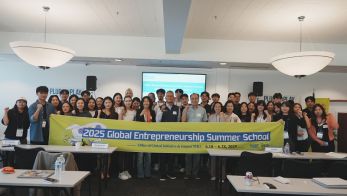
2025 KAIST Global Entrepreneurship Summer School Concludes S..
< A group photo taken at the 2025 GESS Special Lecture.Vice President So Young Kim from the International Office, VC Jay Eum from GFT Ventures, Professor Byungchae Jin from the Impact MBA Program at the Business School, and Research Assistant Professor Sooa Lee from the Office of Global Initiative> The “2025 KAIST Global Entrepreneurship Summer School (2025 KAIST GESS),” organized by the Office of Global Initiative of the KAIST International Office (Vice President So Young Kim), successfully concluded. Now in its fourth year, the program was designed to provide KAIST students with firsthand experience of the world’s leading startup ecosystem in Silicon Valley, USA, and to strengthen their practical capabilities to take on challenges on the global stage. This year’s 2025 KAIST GESS welcomed approximately 40 participants, including 24 undergraduate and graduate students selected through document screening, interviews, team presentations, mentoring, and peer evaluations, as well as 16 Impact MBA students from the College of Business. The selected undergraduate and graduate participants underwent two months of pre-program training and received mentoring from experienced entrepreneurs to refine their business models and elevate their project ideas. Meanwhile, Impact MBA students joined the Silicon Valley program onsite, attending key lectures and networking sessions to broaden their understanding of the global startup ecosystem. From June 22nd, participants spent seven days in Silicon Valley completing the global entrepreneurship curriculum. The program was operated in cooperation with major organizations including the KOTRA Silicon Valley IT Center, Korea-US AI Semiconductor Innovation Center (K-ASIC), and Plug and Play Tech Center. Local experts delivered lectures on topics such as “Startup Culture,” “Learning from Failures” and “Networks and Capital.” Participants also had the opportunity to visit startups led by KAIST alumni and local entrepreneurs, gaining valuable insights from firsthand stories about global entrepreneurship. Companies visited included Medic Life Sciences (CEO Kyuho Han) and ImpriMed (CEO Sungwon Lim). Through these visits, participants received practical advice on market entry strategies and overcoming challenges in the global arena. As part of their first onsite schedule, KAIST students attended an interactive fireside chat titled “Global Entrepreneurship and AI,” where they engaged in in-depth discussions on the future of AI-driven global startups. The session featured three distinguished speakers: Jay Kim, Head of US Business Development at Hyper Accel; Chandra Shekhar Dhir, AI/ML Director at JPMorgan Chase’s Machine Learning Center of Excellence; and Taesu Kim, co-founder of AI voice synthesis startup Neosapience and KAIST alumnus. Taesu Kim shared, “Facing serious health issues made me reflect on my life, and after recovering, I wanted to pursue something that could create a real impact on society, which led me to start my own company.” He also advised students to “take time at important turning points in life to deeply think about what you truly want to do and how you can contribute to society. In line with the core value of ‘paying it forward’—a fundamental principle of global entrepreneurship learned in Silicon Valley—GESS participants engaged in a community service project titled “Let’s Play with AI+Tech,” organized in collaboration with the Sunnyvale community and Foothill College. Leveraging their strong foundation in AI, KAIST students designed and led a hands-on ‘Doodle AI’ educational program to make foundational AI concepts accessible and engaging for underrepresented local elementary school children and their parents, fostering meaningful community interaction. On the final day of the 2025 KAIST GESS, a pitch competition was held with participation from Silicon Valley venture capitalists and accelerators. Participants presented their business models, developed over the two-month program, to a panel of judges. The winning team was eaureco, and Si Li Sara Aow (Civil and Environmental Engineering) shared, “GESS was a valuable opportunity to test and hone practical entrepreneurship skills beyond mere networking.” She added, “At first, I lacked confidence, but challenging myself to pitch in the final presentation gave me the courage to take one step closer to global entrepreneurship. Pitching in Silicon Valley, the heart of global startups, was an invaluable experience that will shape my path as a global entrepreneur.” The program concluded with a special lecture by Jay Eum, a seasoned Silicon Valley venture capitalist and a judging panel member for GESS over the past three years. He shared key insights on startup success from an investor’s perspective, advising, “The journey of entrepreneurship is never easy, but the sooner you start, the better.” He further encouraged participants to “focus on solving problems in local markets, but do not fear challenging global markets,” inspiring them with courage and actionable advice. So Young Kim, Director of the KAIST Office of Global Initiative, said, “We hope the 2025 KAIST GESS serves as a stepping stone for KAIST students to grow into influential entrepreneurs on the global stage,” adding, “This program is also expected to further enhance KAIST’s international reputation.” Byungchae Jin, Faculty Chair of the KAIST Impact MBA, College of Business, highlighted the program's educational benefits, stating, “Engaging directly with local entrepreneurs and gaining practical experience in Silicon Valley's startup environment provide students with hands-on learning and significant inspiration.” The 2025 KAIST GESS was jointly hosted by the KAIST Office of Global Initiative, Impact MBA, and Startup KAIST. Moving forward, KAIST plans to continue expanding its field-based global entrepreneurship education by linking with key global hubs like Silicon Valley, fostering next-generation global leaders who will lead innovation and challenge the status quo.
-
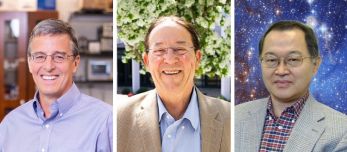
KAIST Invites World-Renowned Scholars, Elevating Global Comp..
< Photo 1. (From left) Professor John Rogers, Professor Gregg Rothermel, Dr. Sang H. Choi > KAIST announced on June 27th that it has appointed three world-renowned scholars, including Professor John A. Rogers of Northwestern University, USA, as Invited Distinguished Professors in key departments such as Materials Science and Engineering. Professor John A. Rogers (Northwestern University, USA) will be working with the Department of Materials Science and Engineering from July 2025 to June 2028 with Professor Gregg Rothermel (North Carolina State University, USA) working with the School of Computing from August 2025 to July 2026, and Dr. Sang H. Choi (NASA Langley Research Center, USA) with the Department of Aerospace Engineering from May 2025 to April 2028. Professor John A. Rogers, a person of global authority in the field of bio-integrated electronics, has been leading advanced convergence technologies such as flexible electronics, smart skin, and implantable sensors. His significant impact on academia and industry is evident through over 900 papers published in top-tier academic journals like Science, Nature, and Cell, and he comes in an H-index of 240*. His research group, the Rogers Research Group at Northwestern University, focuses on "Science that brings Solutions to Society," encompassing areas such as bio-integrated microsystems and unconventional nanofabrication techniques. He is the founding Director of the Querrey-Simpson Institute of Bioelectronics at Northwestern University. * H-index 240: An H-index is a measurement used to assess the research productivity and impact of an individual authors. H-index 240 means that 240 or more papers have been cited at least 240 times each, indicating a significant impact and the presumable status as a world-class scholar. The Department of Materials Science and Engineering plans to further enhance its research capabilities in next-generation bio-implantable materials and wearable devices and boost its global competitiveness through the invitation of Professor Rogers. In particular, it aims to create strong research synergies by linking with the development of bio-convergence interface materials, a core task of the Leading Research Center (ERC, total research budget of 13.5 billion KRW over 7 years) led by Professor Kun-Jae Lee. Professor Gregg Rothermel, a world-renowned scholar in software engineering, was ranked second among the top 50 global researchers by Communications of the ACM. For over 30 years, he has conducted practical research to improve software reliability and quality. He has achieved influential research outcomes through collaborations with global companies such as Boeing, Microsoft, and Lockheed Martin. Dr. Rothermel's research at North Carolina State University focuses on software engineering and program analysis, with significant contributions through initiatives like the ESQuaReD Laboratory and the Software-Artifact Infrastructure Repository (SIR). The School of Computing plans to strengthen its research capabilities in software engineering and conduct collaborative research on software design and testing to enhance the reliability and safety of AI-based software systems through the invitation of Professor Gregg Rothermel. In particular, he is expected to participate in the Big Data Edge-Cloud Service Research Center (ITRC, total research budget of 6.7 billion KRW over 8 years) led by Professor In-Young Ko of the School of Computing, and the Research on Improving Complex Mobility Safety (SafetyOps, Digital Columbus Project, total research budget of 3.5 billion KRW over 8 years), contributing to resolving uncertainties in machine learning-based AI software and advancing technology. Dr. Sang H. Choi, a global expert in space exploration and energy harvesting, has worked at NASA Langley Research Center for over 40 years, authoring over 200 papers and reports, holding 45 patents, and receiving 71 awards from NASA. In 2022, he was inducted into the 'Inventors Hall of Fame' as part of NASA's Technology Transfer Program. This is a rare honor, recognizing researchers who have contributed to the private sector dissemination of space exploration technology, with only 35 individuals worldwide selected to date. Dr. Choi's extensive work at NASA includes research on advanced electronic and energetic materials, satellite sensors, and various nano-technologies. Dr. Choi plans to collaborate with Associate Professor Hyun-Jung Kim (former NASA Research Scientist, 2009-2024), who joined the Department of Aerospace Engineering in September of 2024, to lead the development of core technologies for lunar exploration (energy sources, sensing, in-situ resource utilization ISRU). KAIST President Kwang Hyung Lee stated, "It is very meaningful to be able to invite these world-class scholars. Through these appointments, KAIST will further strengthen its global competitiveness in research in the fields of advanced convergence technology such as bio-convergence electronics, AI software engineering, and space exploration, securing our position as the leader of global innovations."
-
KAIST to Lead the Way in Nurturing Talent and Driving S&T In..
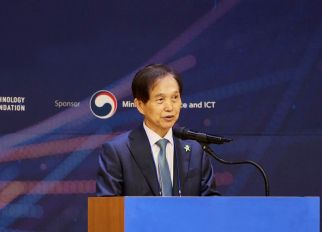
* Focusing on nurturing talent and dedicating to R&D to become a G3 AI powerhouse (Top 3 AI Nations). * Leading the realization of an "AI-driven Basic Society for All" and developing technologies that leverage AI to overcome the crisis in Korea's manufacturing sector. * 50 years ago, South Korea emerged as a scientific and technological powerhouse from the ashes, with KAIST at its core, contributing to the development of scientific and technological talent, innovative technology, national industrial growth, and the creation of a startup innovation ecosystem. As public interest in AI and science and technology has significantly grown with the inauguration of the new government, KAIST (President Kwang Hyung Lee) announced its plan, on June 24th, to transform into an "AI-centric, Value-Creating Science and Technology University" that leads national innovation based on science and technology and spearheads solutions to global challenges. At a time when South Korea is undergoing a major transition to a technology-driven society, KAIST, drawing on its half-century of experience as a "Starter Kit" for national development, is preparing to leap beyond being a mere educational and research institution to become a global innovation hub that creates new social value. In particular, KAIST has presented a vision for realizing an "AI-driven Basic Society" where all citizens can utilize AI without alienation, enabling South Korea to ascend to the top three AI nations (G3). To achieve this, through the "National AI Research Hub" project (headed by Kee Eung Kim), led by KAIST representing South Korea, the institution is dedicated to enhancing industrial competitiveness and effectively solving social problems based on AI technology. < KAIST President Kwang Hyung Lee > KAIST's research achievements in the AI field are garnering international attention. In the top three machine learning conferences (ICML, NeurIPS, ICLR), KAIST ranked 5th globally and 1st in Asia over the past five years (2020-2024). During the same period, based on the number of papers published in top conferences in machine learning, natural language processing, and computer vision (ICML, NeurIPS, ICLR, ACL, EMNLP, NAACL, CVPR, ICCV, ECCV), KAIST ranked 5th globally and 4th in Asia. Furthermore, KAIST has consistently demonstrated unparalleled research capabilities, ranking 1st globally in the average number of papers accepted at ISSCC (International Solid-State Circuits Conference), the world's most prestigious academic conference on semiconductor integrated circuits, for 19 years (2006-2024). KAIST is continuously expanding its research into core AI technologies, including hyper-scale AI models (Korean LLM), neuromorphic semiconductors, and low-power AI processors, as well as various application areas such as autonomous driving, urban air mobility (UAM), precision medicine, and explainable AI (XAI). In the manufacturing sector, KAIST's AI technologies are also driving on-site innovation. Professor Young Jae Jang's team has enhanced productivity in advanced manufacturing fields like semiconductors and displays through digital twins utilizing manufacturing site data and AI-based prediction technology. Professor Song Min Kim's team developed ultra-low power wireless tag technology capable of tracking locations with sub-centimeter precision, accelerating the implementation of smart factories. Technologies such as industrial process optimization and equipment failure prediction developed by INEEJI Co., Ltd., founded by Professor Jaesik Choi, are being rapidly applied in real industrial settings, yielding results. INEEJI was designated as a national strategic technology in the 'Explainable AI (XAI)' field by the government in March. < Researchers performing data analysis for AI research > Practical applications are also emerging in the robotics sector, which is closely linked to AI. Professor Jemin Hwangbo's team from the Department of Mechanical Engineering garnered attention by newly developing RAIBO 2, a quadrupedal robot usable in high-risk environments such as disaster relief and rough terrain exploration. Professor Kyoung Chul Kong's team and Angel Robotics Co., Ltd. developed the WalkOn Suit exoskeleton robot, significantly improving the quality of life for individuals with complete lower body paralysis or walking disabilities. Additionally, remarkable research is ongoing in future core technology areas such as AI semiconductors, quantum cryptography communication, ultra-small satellites, hydrogen fuel cells, next-generation batteries, and biomimetic sensors. Notably, space exploration technology based on small satellites, asteroid exploration projects, energy harvesting, and high-speed charging technologies are gaining attention. Particularly in advanced bio and life sciences, KAIST is collaborating with Germany's Merck company on various research initiatives, including synthetic biology and mRNA. KAIST is also contributing to the construction of a 430 billion won Merck Bio-Center in Daejeon, thereby stimulating the local economy and creating jobs. Based on these cutting-edge research capabilities, KAIST continues to expand its influence not only within the industry but also on the global stage. It has established strategic partnerships with leading universities worldwide, including MIT, Stanford University, and New York University (NYU). Notably, KAIST and NYU have established a joint campus in New York to strengthen human exchange and collaborative research. Active industry-academia collaborations with global companies such as Google, Intel, and TSMC are also ongoing, playing a pivotal role in future technology development and the creation of an innovation ecosystem. These activities also lead to a strong startup ecosystem that drives South Korean industries. The flow of startups, which began with companies like Qnix Computer, Nexon, and Naver, has expanded to a total of 1,914 companies to date. Their cumulative assets amount to 94 trillion won, with sales reaching 36 trillion won and employing approximately 60,000 people. Over 90% of these are technology-based startups originating from faculty and student labs, demonstrating a model that makes a tangible economic contribution based on science and technology. < Students at work > Having consistently generated diverse achievements, KAIST has already produced approximately 80,000 "KAISTians" who have created innovation through challenge and failure, and is currently recruiting new talent to continue driving innovation that transforms South Korea and the world. President Kwang Hyung Lee emphasized, "KAIST will establish itself as a global leader in science and technology, designing the future of South Korea and humanity and creating tangible value." He added, "We will focus on talent nurturing and research and development to realize the new government's national agenda of becoming a G3 AI powerhouse." He further stated, "KAIST's vision for the AI field, in which it places particular emphasis, is to strive for a society where everyone can freely utilize AI. We will contribute to significantly boosting productivity by recovering manufacturing competitiveness through AI and actively disseminating physical AI, AI robots, and AI mobility technologies to industrial sites."
-
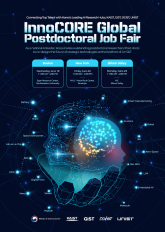
‘InnoCORE Research Group’ Launched to Lead AI Convergence In..
KAIST announced on the 16th of June that it has launched the ‘InnoCORE (Innovation-Core) Research Group,’ which will lead advanced strategic research in AI convergence (AI+S&T), in cooperation with the Ministry of Science and ICT (Minister Yoo Sang-im, hereinafter referred to as MSIT) and DGIST, GIST, and UNIST*. Through this, the group plans to actively recruit up to 200 world-class postdoctoral researchers. DGIST (Daegu Gyeongbuk Institute of Science & Technology), GIST (Gwangju Institute of Science & Technology), UNIST (Ulsan National Institute of Science and Technology) The ‘InnoCORE Research Group’ aims to foster core research personnel who will lead innovation in the field of AI convergence, focusing on nurturing and attracting high-level research talent in AI+Science & Technology. This is a strategic response to prevent brain drain of domestic talent and attract excellent overseas talent amidst the accelerating global competition for AI talent. Through this initiative, our university plans to accelerate AI-based science and technology innovation and disseminate research achievements across industries and the economy by supporting top domestic and international postdoctoral researchers to dedicate themselves to developing AI convergence technologies in an advanced collaborative research environment. The InnoCORE project for advanced AI+S&T convergence research and global talent attraction is jointly promoted by four science and technology institutes, including KAIST. It is structured around AI core technologies (such as hyper-scale language models, AI semiconductors) and AI convergence technologies (such as bio, manufacturing, energy, and aerospace). As the leading institution, our university operates the following four research groups: Hyper-scale Language Model Innovation Research Group: Advancement of LLM technology and research on generative AI, multimodal AI, and ensuring reliability. AI-based Intelligent Design-Manufacturing Integration Research Group: Establishment of an AI platform for the entire lifecycle of the manufacturing industry and innovation in design and processes. AI-Innovation Drug Research Group: Securing AI-based drug development technologies across the entire lifecycle and overcoming intractable diseases. AI-Transformed Aerospace Research Group: AI transformation of aerospace systems throughout their lifecycle and development of new technologies such as autonomous flight and space communication. < Poster on the InnoCORE Global Jobfair for Recruitment of Postdoctoral Researchers > In addition, a total of eight research groups are formed to promote global collaborative convergence research, including those led by DGIST, GIST, and UNIST: ▲Bio-Integrated Physical AI, ▲Early Diagnosis of Brain Diseases AI+Nano Convergence, ▲Intelligent Hydrogen Technology Innovation, and ▲AI-Space Solar Power Research Group. Starting in 2025, the four science and technology institutes, including KAIST, will officially begin recruiting 400 postdoctoral researchers in the AI+S&T fields. Selected postdoctoral researchers will be guaranteed high-level treatment with an annual salary of over 90 million KRW, and additional support through matching with companies and research projects is also planned. In particular, global recruitment fairs will be held in major US regions to expand the attraction of excellent overseas talent. Local recruitment fairs will be held in Boston (Harvard, MIT), New York (NYU), and Silicon Valley (Stanford) in June, along with promotions through global academic journals such as Nature and Science, and LinkedIn. KAIST plans to provide multiple mentor programs, global joint research opportunities, and excellent infrastructure (such as supercomputers, semiconductor fabs, and AI research platforms) within the research groups to enable postdoctoral researchers to collaborate with experts from various academic and industrial fields. President Kwang Hyung Lee emphasized, “Through this InnoCORE project, KAIST will leap forward as a Global Hub for AI+S&T convergence research. Young researchers from around the world will challenge themselves and grow at KAIST, and our country will play a pivotal role in establishing itself as a leading nation in global AI convergence research and industry. To achieve this, we will spare no effort in providing the best research environment and active support.” KAIST plans to actively pursue the InnoCORE project to secure global competitiveness in AI convergence research and contribute to the development of advanced industries. The eight selected research groups will finalize their detailed research plans by the end of June and commence full-scale research in July.
-
KAIST Holds a Ceremony to Declare their Renewed Commitment f..
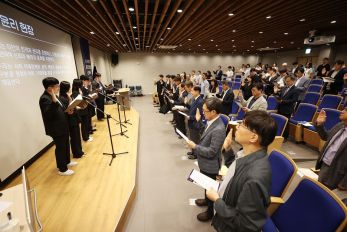
KAIST held a ceremony to declare their renewed "Commitment for Ethical Management" to raise awareness and solidify the commitment its members to faithfully fulfill ethical responsibilities and duties. Last March, the university established the 'Special Committee for Ethical Management,' chaired by the Provost, and under the leadership of this committee, a new 'Code of Ethics' and 'Code of Conduct' were prepared, containing ethical standards that members must adhere to across all areas of education, research, and administration. < Photo 1. Attendees pledge to practice ethics during the declaration for the ethical management. > This ceremony was arranged as an occasion for the president, key executives, and representatives from each university constituent to share the purpose and direction of the newly established ethical standards and to pledge their commitment to practicing them. The Ethical Management Declaration consisted of: ▲ a progress report by the KAIST Special Committee for Ethical Management, ▲ a commemorative address by the president, ▲ an oath of the Code of Ethics and Code of Conduct, and ▲ the presentation of the 'Excellent Ethics Professor Award' organized by the Graduate Student Human Rights Center. Attendees shared the values and meaning of ethical management pursued by KAIST. Particularly at this ceremony, six representatives – faculty, staff, and students – selected to reflect KAIST's values encompassing diversity in position, role, gender, and future generations, took the oath for the Code of Ethics and Code of Conduct. < Photo 2. Attendees pledge to practice ethics during the Ethical Management Declaration. > Also introduced at the ceremony was the "Ethical Excellence Award for Professors". It is an award that was organized by the Graduate Student Human Rights Center under the KAIST Student Council to recognize the faculty members for their outstanding ethical conduct in the laboratory setting. The 2025 recipients of the newly established award were the honored at the declaration ceremony for added significance. Taking this declaration ceremony as an example, KAIST plans to actively encourage each departments, divisions and offices to also hold ethical management declarations of their own to establish a trustworthy, healthy, and transparent organizational culture through the daily practice of ethical responsibilities, and to continuously spread the practice of ethical management among all members. President Kwang Hyung Lee emphasized, "Adhering to research and social ethics must be the foundation for KAIST to become a university trusted globally," and expressed, "I hope this ceremony serves as a turning point for all members to more faithfully practice their ethical responsibilities and duties."
-
A 10-Month Journey of Tiny Flaps Completed: A Special Family..
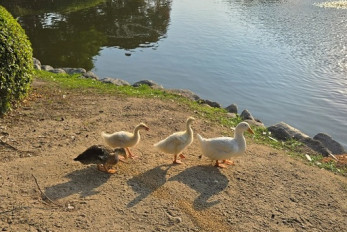
On the morning of June 9, 2025, gentle activity stirred early around the KAIST campus duck pond. It was the day a special family of ducks—and two goslings—were to be released back into the pond after spending a month in a temporary shelter. One by one, the ducklings cautiously emerged from their box, waddling toward the water's edge and scanning their surroundings, followed closely by their mother. < The landscape manager from the KAIST Facilities Team releases the ducks and goslings. > The mother duck, once a rescued loner who couldn’t integrate with the flock, returned triumphantly as the head of a new family—caring for both ducklings and goslings. Students and faculty looked on quietly, welcoming them back and reflecting on their remarkable 10-month journey. The story began in July 2024, as a student filed a report of spotting two ducklings wandering near the pond without a mother. Based on their soft down, flat beaks, and lack of fear around humans, it was presumed they had been abandoned. Professor Won Do Heo of the Department of Biological Sciences—affectionately known as the “Goose Dad”—and the KAIST Facilities Team quickly stepped in to rescue them. After about a month of care, the ducklings were released back into the pond. < On June 9, the day of the release, KAIST President Kwang-Hyung Lee (left), the former “Goose Dad,” and Professor Won Do Heo (right), the current “Goose Dad,” watched the flock as they freely wobbled about. > At first, the ducklings seemed to adapt, but they started distancing themselves from the established goose flock. One eventually disappeared, and the remaining duckling was found injured by the pond during winter. Although KAIST typically avoids making human interference in the natural ecosystem, an exception was made to save the young duck’s life. It was put under the care of Professor Heo and the Facilities Team to regain its health within a month. In the spring, the healed duck began laying eggs. Professor Heo supported the process by adjusting its diet, avoiding further intervention. On Children’s Day, May 5, the duck’s eggs hatched. The once-isolated duck had become a mother. Ten days later, on May 15, four goslings also hatched from the resident goose flock. With new life flourishing, the pond was more vibrant than ever. < Rescued baby goslings near the pond, alongside the duck family that took them in. The mother duck—once a vulnerable duckling herself—had grown strong enough to care for others in need. > But just days later, the mother goose disappeared, and two goslings—still unable to swim—were found shivering by the pond. Dahyeon Byeon, a student from Seoul National University who came for a visit on that day, reported this upon sighting, prompting another rescue. The vulnerable goslings were brought to the shelter to stay with the duck family. Initially, the interspecies cohabitation was uneasy. But the mother duck did not reject the goslings. Slowly, they began to eat and sleep together, forming a new kind of family. After a month, they were released together into the pond—and to everyone’s surprise, the existing goose flock accepted both the goslings and the duck family. < A peaceful moment for the duck family. The baby goslings naturally followed the mother duck. > It took ten months for this family to return. From abandonment and injury to healing, birth, and unexpected bonds, this was more than a story of survival. It was a journey of transformation. The duck family’s ten-month saga is a quiet miracle—written in small moments of crisis, care, and connection—and a lasting memory on the KAIST campus. < The resident goose flock at KAIST’s pond naturally accepted the returning duck and goslings as part of their group. >
-
New 'Science Hall of Fame' Opens in Vision Hall, Highlightin..
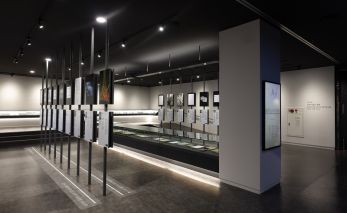
A portion of the existing exhibition space in the 'KAIST Vision Hall,' located at our university's main campus in Daejeon, has been reorganized as the 'KAIST Science Hall of Fame' and opened to the public. Opened in March 2018 on the first floor of the Academic and Cultural Complex, the KAIST Vision Hall is a historical exhibition hall that has showcased KAIST's major history and research achievements from its establishment to the present. In particular, various materials that formed the foundation of KAIST's establishment are displayed, including the 'Survey Report on the Establishment of the Korea Advanced Institute of Science (also known as the Terman Report),' which was prepared through a due diligence conducted by the U.S. Agency for International Development (USAID) in 1970. < Overall View of the Science Hall of Fame within Vision Hall > Through this exhibition reorganization, Vision Hall has expanded its scope to not only trace KAIST's journey but also highlight prominent scientists who have made significant achievements across the entire Korean science and technology community. The newly revamped 'KAIST Science Hall of Fame' consists of two main sections. The first section introduces modern and contemporary scientists who dedicated themselves to research even under challenging political and social conditions, such as during the Japanese colonial period. The second section focuses on the research achievements and international cooperation cases accomplished by KAIST researchers, built upon the efforts of these pioneering scientists. < Overall View of the Science Hall of Fame within Vision Hall > Professor Geun-bae Kim of the Department of Science at Jeonbuk National University, who advised on the exhibition reorganization, expressed his feelings, saying, "I am delighted that my efforts in researching modern and contemporary science history and the socio-history of science have been of even a small help in this reorganization of the KAIST Vision Hall exhibition." Seung-Mok Son, Team Leader of the KAIST Arts & Culture Center, who oversaw the planning and operation of the exhibition space, stated, "This exhibition is a special composition that unpacks the history of Korean science through a human-centered narrative. We expect visitors to gain deep inspiration through the lives and visions of our scientific predecessors." KAIST President Kwang-Hyung Lee remarked, "Just as a tall tree has deep roots, KAIST's ideals and achievements are rooted in the dedication of our scientific predecessors. We have newly established the Hall of Science and Technology Figures to honor their spirit and pass it on to future generations." < Overall View of the Science Hall of Fame within Vision Hall > Vision Hall operates from 10:00 AM to 5:00 PM on weekdays and is open to the general public as well as KAIST members free of charge. The newly established 'KAIST Science Hall of Fame' features actual exhibits such as research notes, historical photographs, degrees, newspaper articles, and handwritten manuscripts of pioneering scientists. Public viewing became available in the afternoon of the same day, following the opening ceremony held in the morning of the 2nd. More detailed information can be found on the official Vision Hall website: https://visionhall.kaist.ac.kr/. ※ Related Video: KAIST Science Hall of Fame Video at YouTube Channel "KAIST art museum" https://youtu.be/TlC93xMRfxU?si=3Lf0fzcWU3q1spKf
-
KAIST’s Next-Generation Small Satellite-2 Completes a Two-Ye..
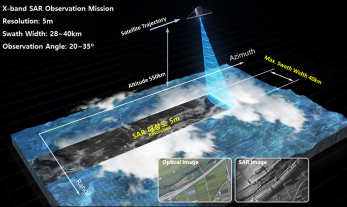
KAIST (President Kwang-Hyung Lee) announced on the 25th of May that the Next-Generation Small Satellite-2 developed by the Satellite Technology Research Center (SaTReC, Director Jaeheung Han) and launched aboard the third Nuri rocket from the Naro Space Center at 18:24 on May 25, 2023, has successfully completed its two-year core mission of verifying homegrown Synthetic Aperture Radar (SAR) technology and conducting all-weather Earth observations. The SAR system onboard the satellite was designed, manufactured, and tested domestically for the first time by KAIST’s Satellite Research Center. As of May 25, 2025, it has successfully completed its two-year in-orbit technology demonstration mission. Particularly noteworthy is the fact that the SAR system was mounted on the 100 kg-class Next-Generation Small Satellite-2, marking a major step forward in the miniaturization and weight reduction of spaceborne radar systems and strengthening Korea’s competitiveness in satellite technology. < Figure 1. Conceptual diagram of Earth observation by the Next-Generation Small Satellite No. 2's synthetic aperture radar > The developed SAR is an active sensor that uses electromagnetic waves, allowing all-weather image acquisition regardless of time of day or weather conditions. This makes it especially useful for monitoring regions like the Korean Peninsula, which frequently experiences rain and cloud cover, as it can observe even in cloudy and rainy conditions or darkness. Since its launch, the satellite has carried out three to four image acquisitions per day on average, undergoing functionality checks and technology verifications. To date, it has completed over 1,200 Earth observations and the SAR continues to perform stably, supporting ongoing observation tasks even beyond its designated mission lifespan. < Photo 1. Researchers of the Next-Generation Small Satellite No. 2 at SatRec, taken at the KAIST ground station. (From left) Sung-Og Park, Jung-soo Lee, Hongyoung Park, TaeSeong Jang (Next-Generation Small Satellite No. 2 Project Manager), Seyeon Kim, Mi Young Park, Yongmin Kim, DongGuk Kim > Although still in the domestic technology verification stage, KAIST’s Satellite Research Center has been collaborating with the Korea Polar Research Institute (Director Hyoung Chul Shin) and the Korea National Park Research Institute (Director Jin Tae Kim) since March 2024 to prioritize imaging of areas of interest related to Arctic ice changes and forest ecosystem monitoring. KAIST’s Satellite Research Center is conducting repeated observations of Arctic sea ice, and the Remote Sensing and Cryosphere Information Center of the Korea Polar Research Institute is analyzing the results using time-series data to precisely track changes in sea ice area and structure due to climate change. < Photo 2. Radar Images from Observations on July 24, 2024 - Around the Atchafalaya River in Louisiana, USA. The Wax Lake Delta is seen growing like a leaf. > Recently, the Korea Polar Research Institute (KOPRI), by integrating observation data from the Next-Generation Small Satellite No. 2 and the European Space Agency's (ESA) Sentinel-1, detected a significant increase of 15 km² in the area of an ice lake behind Canada's Milne Ice Shelf (a massive, floating layer of ice where glaciers flow from land into the sea) between 2021 and 2025. This has exacerbated structural instability and is analyzed as an important sign indicating the acceleration of Arctic climate change. Hyuncheol Kim, Director of the Remote Sensing and Cryosphere Information Center at the Korea Polar Research Institute, stated, “This research clearly demonstrates how vulnerable Arctic ice shelves are to climate change. We will continue to monitor and analyze Arctic environmental changes using the SAR aboard the Next-Generation Small Satellite-2 and promote international collaboration.” He added, “We also plan to present these findings at international academic conferences and expand educational and outreach efforts to raise public awareness about changes in the Arctic environment.” < Photo 3. Sinduri Coastal Dune, Taean Coastal National Park, Taean-gun, Chungcheongnam-do > In collaboration with the Climate Change Research Center of the National Park Research Institute, SAR imagery from the satellite is also being used to study phenological shifts due to climate change, the dieback of conifers in high-altitude zones, and landslide monitoring in forest ecosystems. Researchers are also analyzing the spatial distribution of carbon storage in forest areas using satellite data, comparing it with field measurements to improve accuracy. Because SAR is unaffected by light and weather conditions, it can observe through fire and smoke during wildfires, making it an exceptionally effective tool for the regular monitoring of large protected areas. It is expected to play an important role in shaping future forest conservation policies. In addition, KAIST’s Satellite Research Center is working on a system to convert the satellite’s technology demonstration data into standardized imagery products, with budget support from the Korea Aerospace Administration (Administrator Youngbin Yoon), making the data more accessible to research institutions and boosting the usability of the satellite’s observations. < Photo 4. Jang Bogo Station, Antarctica > Jaeheung Han, Director of the Satellite Research Center, said, “The significance of the Next-Generation Small Satellite-2 lies not only in the success of domestic development, but also in its direct contribution to real-world environmental analysis and national research efforts. We will continue to focus on expanding the application of SAR data from the satellite.” KAIST President Kwang-Hyung Lee remarked, “This satellite is a product of KAIST’s advanced space technology and the innovation capacity of its researchers. Its success signals KAIST’s potential to lead in future space technology talent development and R&D, and we will continue to accelerate efforts in this direction.” < Photo 5. Confirmation of changes in the expanded area of the Milne Ice Shelf lake using observation data from Next-Generation Small Satellite No. 2 and Sentinel-1 >
-
Hyung Kyu Lim, Former KAIST Alumni Association President, Do..
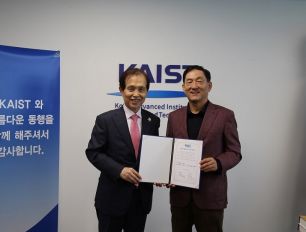
Hyung Kyu Lim, a former President of the KAIST Alumni Association, has donated 100 million won as the prize money for the School Song and National Anthem Challenge. This donation will be used as prize money starting from the 2026 competition and is expected to play a significant role in spreading KAIST's educational culture and fostering a sense of community. < Photo 1. KAIST President Kwang-Hyung Lee (left) and the former Alumni Association President Hyung Kyu Lim at the ceremony for the signing of the pledge for Dr. Lim's donation. > The School Song and National Anthem Challenge was first conceived in 2024 at the suggestion of President Kwang-Hyung Lee to enhance consensus on KAIST's values and educational philosophy and to inspire patriotism and school spirit. Participants express their sense of belonging and pride in KAIST by singing the KAIST school song, the national anthem, or the 'I'm a KAIST,' dedicated by Professor Sumi Jo, a visiting scholar at the Graduate School of Culture Technology. Notably, this year, a new category has been added where participants sing their self-composed 'My Own School Song,' making the stage more diverse. The grand prize-winning team receives the President's Award and a prize of 1 million won. The top excellence award and participating teams also receive prizes and awards totaling 2 million won. < Photo 2. At the ceremony for the signing of the donation pledge, KAIST President Kwang-Hyung Lee (left) is relaying a bouquet of flower and the plaque of appreciation to the former Alumni Association President Hyung Kyu Lim. > Former Alumni Association President Hyung Kyu Lim stated, Love for the national community is the foundation of a sound global citizen consciousness. For me, love for this national community, along with family love, has been a great source of energy for growth. He added, I hope this challenge of singing the national anthem and school song becomes a good nourishment for KAIST members to grow into global citizens with roots, expressing his thoughts on the donation. President Kwang-Hyung Lee said, “I am grateful to former Alumni Association President Hyung Kyu Lim for his generous support of this meaningful program, which fosters pride in the school and raises interest in loving the country through the national anthem.” He added, “This donation will serve as an opportunity for KAIST members to cultivate a sense of belonging to the school and a sense of responsibility to the national community.” Since 2018, former President Lim has annually donated prize money for the 'Linkgenesis Best Teacher Award,' encouraging faculty members who embody the values of creativity, challenge, and consideration. Furthermore, he has consistently contributed to KAIST's talent development and advancement by continuing to provide funds totaling 1 billion won, including scholarship funds for the Department of Electrical Engineering and the Alumni Academic Scholarship Foundation. < Photo 3. Grand prize-winning team of the School Song and National Anthem Challenge > Meanwhile, the '2nd School Song and National Anthem Challenge' was successfully held on May 21st at the main auditorium of KAIST, with over 150 spectators participating. Eight teams performed in the finals, and the final winning team was selected based on audience evaluation (10%) and judges' scores (90%). < Photo 4. Grand prize-winning team of the School Song and National Anthem Challenge, Aeguk-Rock in performance > The grand prize was awarded to the 'Aeguk-Rock' team, who arranged the national anthem into a rock version and performed it as a band. The top excellence award went to the 'Form of the Conductor' team, who sang the school song a cappella. The excellence award was given to Eun-Jin Choi, a student from the Graduate School of Culture Technology, who performed her self-composed school song written with an AI tool, 'Radiant You – You Are KAIST.' The 'Aeguk-Rock’ team also won the audience popularity award, and five other teams received participation awards. < Photo 5. Group photo of the winners of the School Song and National Anthem Challenge >
-
Life Springs at KAIST: A Tale of Two Special Campus Families..
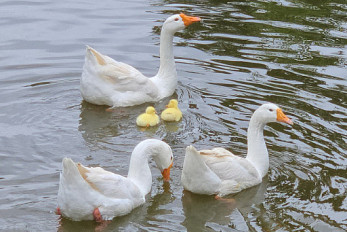
A Gift of Life on Teachers' Day: Baby Geese Born at KAIST Pond On Teachers' Day, a meaningful miracle of life arrived at the KAIST campus. A pair of geese gave birth to two goslings by the duck pond. < On Teachers' Day, a pair of geese and their goslings leisurely swim in the pond. > The baby goslings, covered in yellow down, began exploring the pond's edge, scurrying about, while their aunt geese steadfastly stood by. Their curious glances, watchful gazes, playful hops on waterside rocks, and the procession of babies swimming behind their parents in the water melted the hearts of onlookers. < As night falls on the duck pond, the goose family gathers among the reeds. > This special new life, born on Teachers' Day, seems to symbolize the day's meaning of "care" and "growth." This wondrous scene of life brought warm comfort and joy to KAIST members, adding the inspiration of nature to a campus that is a space for research and learning. < Under the protection of the adult geese, the goslings take their first steps, exploring the pond's grassy areas and rocks. > This adorable family is already roaming the area leisurely, like the pond's owners. With the joy of life added to the spring-filled pond, warm smiles are spreading across the KAIST campus. < The geese look around, surveying their surroundings, while caring for their goslings. > The pond has now become a small but special haven for students and staff. This goose family, arriving on Teachers' Day, quietly reminds us of the meaning of care and learning conveyed by nature. < The goose family shows care and growth, and warm moments together are anticipated. > --- On Children's Day 2025, a Duck Becomes a Mother In July 2024, a special guest arrived at the KAIST campus. With soft yellow down, waddling gait, and a flat beak, it was undeniably a baby duck. However, for some reason, its mother was nowhere to be seen. Given that it wasn't afraid of people and followed them well, it was clear that someone had abandoned the duck. Fortunately, the baby duck was safely rescued thanks to prompt reporting by students. < Two ducks found on a corner of campus, immediately after their rescue in summer 2024. > The ducks, newly integrated into KAIST, seemed to adapt relatively peacefully to campus life. As new additions, they couldn't blend in with the existing goose flock that had settled on campus, but the geese didn't ostracize them either. Perhaps because they were awkward neighbors, there was hope that the ducks would soon join the existing goose flock. < Following their rescue based on a student's report in summer 2024, the ducks adapted to campus life under the protection of the campus facility team and Professor Won Do Heo. > Professor Won Do Heo of the Department of Biological Sciences, widely known as "Goose Dad," stepped forward to protect them along with the KAIST facility team. Professor Heo is well-known for consistently observing and protecting the campus geese and ducks, which are practically symbols of KAIST. Thanks to the care of the staff and Professor Heo, the two ducks were safely released back onto campus approximately one month after their rescue. < A moment on campus: Before winter, the ducks lived separately from the goose flock, maintaining a certain distance. While there were no conflicts, they rarely socialized. > However, as winter passed, sad news arrived. One duck went missing, and the remaining one was found injured by the pond. While the policy of the facility team and Professor Heo was to minimize intervention to allow campus animals to maintain their natural state, saving the injured duck was the top priority. After being isolated again for a month of recovery, the duck fully recovered and was able to greet spring under the sun. < The mother duck left alone in winter: One went missing, and the remaining one was found injured. After indoor isolation and recovery, she was released back onto campus in the spring. > As spring, the ducks' breeding season, began, Professor Heo decided to offer a little more help. When signs of egg-laying appeared, he consistently provided "special meals for pregnant mothers" throughout March. On the morning of May 5th, Children's Day, 28 days after the mother duck began incubating her eggs with the care and attention of KAIST members, new life finally hatched. It was a precious outcome achieved solely by the duck that had survived abandonment and injury, with no special protection other than food. The duck, having overcome hardship and injury to stand alone, has now formed a new family. Although there is still some distance from the existing goose flock, it is expected that they will naturally find their place in the campus ecosystem, as KAIST's geese are not aggressive or exclusive. The KAIST goose flock already has experience protecting and raising five ducklings. < A new beginning by the pond on Children's Day: On the morning of May 5th, the 28th day of incubation, four ducklings hatched by the pond. This was a natural hatching, achieved without protective equipment. > A single duck brought a special spring to the KAIST campus on Children's Day. The outcome achieved by that small life, leading to the birth of a new family, also symbolizes the harmonious coexistence of people and animals on the KAIST campus. The careful intervention of KAIST members, providing only the necessary assistance from rescue to hatching, makes us reconsider what "desirable coexistence between animals and people" truly means.

291 Daehak-ro, Yuseong-gu, Daejeon, Korea 34141
KAIST College of Engineering
T.+82-42-350-2114
F.+82-42-350-2210 (2220)
ⓒ KAIST College of Engineering. All rights reserved.