


Faculty News
-
Efficiently Producing Fatty Acids and Biofuels fro..
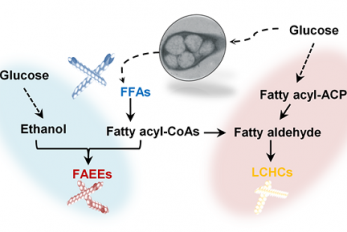
Researchers have presented a new strategy for efficiently producing fatty acids and biofuels that can transform glucose and oleaginous microorganisms into microbial diesel fuel, with one-step direct fermentative production. The newly developed strain, created by Distinguished Professor Sang Yup Lee and his team, showed the highest efficiency in producing fatty acids and biodiesels ever reported. It will be expected to serve as a new platform to sustainably produce a wide array of fatty acid-based products from glucose and other carbon substrates. Fossil fuels, which have long been energy resources for our daily lives, are now facing serious challenges: depletion of their reserves and their role in global warming. The production of sustainable bio-based renewable energy has emerged as an essential alternative and many studies to replace fossil fuels are underway. One of the representative examples is biodiesel. Currently, it is mainly being produced through the transesterification of vegetable oils or animal fats. The research team engineered oleaginous microorganisms, Rhodococcus opacus, to produce fatty acids and their derivatives that can be used as biodiesel from glucose, one of the most abundant and cheap sugars derived from non-edible biomass. Professor Lee’s team has already engineered Escherichia coli to produce short-chain hydrocarbons, which can be used as gasoline (published in Nature as the cover paper in 2013). However, the production efficiency of the short-chain hydrocarbons using E. coli (0.58 g/L) fell short of the levels required for commercialization. To overcome these issues, the team employed oil-accumulating Rhodococcus opacus as a host strain in this study. First, the team optimized the cultivation conditions of Rhodococcus opacus to maximize the accumulation of oil (triacylglycerol), which serves as a precursor for the biosynthesis of fatty acids and their derivatives. Then, they systematically analyzed the metabolism of the strain and redesigned it to enable higher levels of fatty acids and two kinds of fatty acid-derived biodiesels (fatty acid ethyl esters and long-chain hydrocarbons) to be produced. They found that the resulting strains produced 50.2, 21.3, and 5.2 g/L of fatty acids, fatty acid ethyl esters, and long-chain hydrocarbons, respectively. These are all the highest concentrations ever reported by microbial fermentations. It is expected that these strains can contribute to the future industrialization of microbial-based biodiesel production. “This technology creates fatty acids and biodiesel with high efficiency by utilizing lignocellulose, one of the most abundant resources on the Earth, without depending on fossil fuels and vegetable or animal oils. This will provide new opportunities for oil and petroleum industries, which have long relied on fossil fuels, to turn to sustainable and eco-friendly biotechnologies,” said Professor Lee. This paper titled “Engineering of an oleaginous bacterium for the production of fatty acids and fuels” was published in Nature Chemical Biology on June 17. This work was supported by the Technology Development Program to Solve Climate Changes on Systems Metabolic Engineering for Biorefineries from the Ministry of Science and ICT through the National Research Foundation (NRF) of Korea (NRF-2012M1A2A2026556 and NRF-2012M1A2A2026557). (Figure: Metabolic engineering for the production of free fatty acids (FFAs), fatty acid ethyl esters (FAEEs), and long-chain hydrocarbons (LCHCs) in Rhodococcus opacus PD630. Researchers have presented a new strategy for efficiently producing fatty acids and biofuels that can transform glucose and oleaginous microorganisms into microbial diesel fuel, with one-step direct fermentative production.) # # # Source: Hye Mi Kim, Tong Un Chae, So Young Choi, Won Jun Kim and Sang Yup Lee. Engineering of an oleaginous bacterium for the production of fatty acids and fuels. Nature Chemical Biology ( https://www.nature.com/nchembio/ ) DOI: 10.1038/s41589-019-0295-5 Profile Dr. Sang Yup Lee leesy@kaist.ac.kr Distinguished Professor at the Department of Chemical and Biomolecular Engineering KAIST
-
Real-Time Analysis of MOF Adsorption Behavior
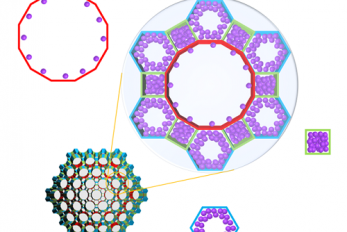
Researchers have developed a technology to analyze the adsorption behavior of molecules in each individual pore of a metal organic framework (MOF). This system has large specific surface areas, allowing for the real-time observation of the adsorption process of an MOF, a new material effective for sorting carbon dioxide, hydrogen, and methane. Accurate measurements and assessments of gas adsorption isotherms are important for characterizing porous materials and developing their applications. The existing technology is only able to measure the amount of gas molecules adsorbed to the material, without directly observing the adsorption behavior. The research team led by Professor Jeung Ku Kang from the Graduate School of Energy, Environment, Water and Sustainability (EEWS) prescribed a real time gas adsorption crystallography system by integrating an existing X-ray diffraction (XRD) measurement device that can provide structural information and a gas adsorption measurement device. Specifically, the system allowed the observation of a mesoporous MOF that has multiple pores rather than a single pore structure. The research team categorized the adsorption behaviors of MOF molecules by pore type, followed by observations and measurements, resulting in the identification of a stepwise adsorption process that was previously not possible to analyze. Further, the team systematically and quantitatively analyzed how the pore structure and the type of adsorption molecule affect the adsorption behavior to suggest what type of MOF structure is appropriate as a storage material for each type of adsorption behavior. Professor Kang said, “We quantitatively analyzed each pore molecule in real time to identify the effects of chemical and structural properties of pores on adsorption behavior.” He continued, “By understanding the real-time adsorption behavior of molecules at the level of the pores that form the material, rather than the whole material, we will be able to apply this technology to develop a new high-capacity storage material.” This research was published in Nature Chemistry online on May 13, 2019 under the title ‘Isotherms of Individual Pores by Gas Adsorption Crystallography’. (Figure. Schematic illustration of molecules adsorbed on metal organic frameworks with different pores of various structures, where the In-situ X-ray crystallography has been developed to classify each pore structure and analyze the position of the molecule to determine the amount of molecules adsorbed to each pore.)
-
Early Genome Catastrophes Can Cause Non-Smoking Lu..
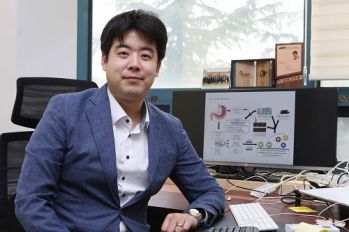
Some teenagers harbor catastrophic changes to their genomes that can lead to lung cancer later on in life, even if they never smoke (Professor Young Seok Ju at the Graduate School of Medical Science and Engineering) Catastrophic rearrangements in the genome occurring as early as childhood and adolescence can lead to the development of lung cancer in later years in non-smokers. This finding, published in Cell, helps explain how some non-smoking-related lung cancers develop. Researchers at KAIST, Seoul National University and their collaborators confirmed that gene fusions in non-smokers mostly occur early on, sometimes as early as childhood or adolescence, and on average about three decades before cancer is diagnosed. The study showed that these mutant lung cells, harboring oncogenic seeds, remain dormant for several decades until a number of further mutations accumulate sufficiently for progression into cancer. This is the first study to reveal the landscape of genome structural variations in lung adenocarcinoma. Lung cancer is the leading cause of cancer-related deaths worldwide, and lung adenocarcinoma is its most common type. Most lung adenocarcinomas are associated with chronic smoking, but about a fourth develop in non-smokers. Precisely what happens in non-smokers for this cancer to develop is not clearly understood. Researchers analyzed the genomes of 138 lung adenocarcinoma patients, including smokers and non-smokers, with whole-genome sequencing technologies. They explored DNA damage that induced neoplastic transformation. Lung adenocarcinomas that originated from chronic smoking, referred to as signature 4-high (S4-high) cancers in the study, showed several distinguishing features compared to smoking-unrelated cancers (S4-low). People in the S4-high group were largely older, men and had more frequent mutations in a cancer-related gene called KRAS. Cancer genomes in the S4-high group were hypermutated with simple mutational classes, such as the substitution, insertion, or deletion of a single base, the building block of DNA. But the story was very different in the S4-low group. Generally, mutational profiles in this group were much more silent than the S4-high group. However, all cancer-related gene fusions, which are abnormally activated from the merging of two originally separate genes, were exclusively observed in the S4-low group. The patterns of genomic structural changes underlying gene fusions suggest that about three in four cases of gene fusions emerged from a single cellular crisis causing massive genomic fragmentation and subsequent imprecise repair in normal lung epithelium. Most strikingly, these major genomic rearrangements, which led to the development of lung adenocarcinoma, are very likely to be acquired decades before cancer diagnosis. The researchers used genomic archaeology techniques to trace the timing of when the catastrophes took place. Researchers started this study seven years ago when they discovered the expression of the KIF5B-RET gene fusion in lung adenocarcinoma for the first time. Professor Young-Seok Ju, co-lead author from the Graduate School of Medical Science and Engineering at KAIST says, “It is remarkable that oncogenesis can begin by a massive shattering of chromosomes early in life. Our study immediately raises a new question: What induces the mutational catastrophe in our normal lung epithelium.” Professor Young Tae Kim, co-lead author from Seoul National University says, “We hope this work will help us get one step closer to precision medicine for lung cancer patients.” The research team plans to further focus on the molecular mechanisms that stimulate complex rearrangements in the body, through screening the genomic structures of fusion genes in other cancer types. This study was supported by the National Research Foundation of Korea (NRF), Korea Health Industry Development Institute (KHIDI), Suh Kyungbae Foundation, the College of Medicine Research Foundations at Seoul National University and others. Figure. (Smoking-unrelated oncogenesis of lung cancers by gene fusions) Publication. Jake June-Koo Lee, Seongyeol Park et al., Tracing Oncogene Rearrangements in the Mutational History of Lung Adenocarcinoma Cell 177, June 13 2019, online publication ahead of print at May 30, 2019 https://doi.org/10.1016/j.cell.2019.05.013 Profile: Prof Young Seok Ju, MD, PhD ysju@kaist.ac.kr http://julab.kaist.ac.kr Associate Professor Graduate School of Medical Science and Engineering (GSMSE) Korea Advanced Institute of Science and Technology (KAIST) Daejeon 34141, Korea Profile: Prof Young Tae Kim, MD, PhD ytkim@snu.ac.kr Professor Seoul National University Cancer Research Institute Department of Thoracic and Cardiovascular Surgery Seoul National University Hospital Seoul 03080, Korea
-
Anti-drone Technology for Anti-Terrorism Applicati..
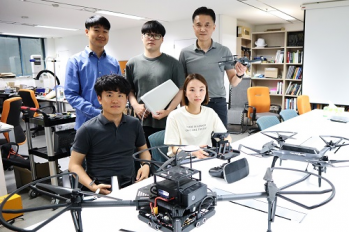
(from top right clockwise: Professor Yongdae Kim, PhD Candidates Yujin Kwon, Juhwan Noh, Hocheol Shin, and Dohyun Kim) KAIST researchers have developed anti-drone technology that can hijack other drones by spoofing its location using fake GPS signals. This technology can safely guide a drone to a desired location without any sudden change in direction in emergency situations, and thus respond effectively to dangerous drones such as those intending to carry out acts of terrorism. Advancements in the drone industry have led to the wider use of drones in our daily lives in areas of reconnaissance, searching and rescuing, disaster prevention and response, and delivery services. At the same time, there has also been a growing concern about privacy, safety, and security issues regarding drones, especially those arising from intrusion into private property and secure facilities. Therefore, the anti-drone industry is rapidly expanding to detect and respond to this possible drone invasion. The current anti-drone systems used in airports and other key locations utilize electronic jamming signals, high-power lasers, or nets to neutralize drones. For example, drones trespassing on airports are often countered with simple jamming signals that can prevent the drones from moving and changing position, but this may result in a prolonged delay in flight departures and arrivals at the airports. Drones used for terrorist attacks – armed with explosives or weapons – must also be neutralized a safe distance from the public and vital infrastructure to minimize any damage. Due to this need for a new anti-drone technology to counter these threats, a KAIST research team led by Professor Yongdae Kim from the School of Electrical Engineering has developed technology that securely thwarts drones by tricking them with fake GPS signals. Fake GPS signals have been used in previous studies to cause confusion inside the drone regarding its location, making the drone drift from its position or path. However, such attack tactics cannot be applied in GPS safety mode. GPS safety mode is an emergency mode that ensures drone safety when the signal is cut or location accuracy is low due to a fake GPS signals. This mode differs between models and manufacturers. Professor Kim’s team analyzed the GPS safety mode of different drone models made from major drone manufacturers such as DJI and Parrot, made classification systems, and designed a drone abduction technique that covers almost all the types of drone GPS safety modes, and is universally applicable to any drone that uses GPS regardless of model or manufacturer. The research team applied their new technique to four different drones and have proven that the drones can be safely hijacked and guided to the direction of intentional abduction within a small margin of error. Professor Kim said, “Conventional consumer drones equipped with GPS safety mode seem to be safe from fake GPS signals, however, most of these drones are able to be detoured since they detect GPS errors in a rudimentary manner.” He continued, “This technology can contribute particularly to reducing damage to airports and the airline industry caused by illegal drone flights.” The research team is planning to commercialize the developed technology by applying it to existing anti-drone solutions through technology transfer.” This research, featured in the ACM Transactions on Privacy and Security (TOPS) on April 9, was supported by the Defense Acquisition Program Administration (DAPA) and the Agency for Defense Development (ADD). Image 1. Experimental environment in which a fake GPS signal was produced from a PC and injected into the drone signal using directional antennae Publication: Juhwan Noh, Yujin Kwon, Yunmok Son, Hocheol Shin, Dohyun Kim, Jaeyeong Choi, and Yongdae Kim. 2019. Tractor Beam: Safe-hijacking of Consumer Drones with Adaptive GPS Spoofing. ACM Transactions on Privacy and Security. New York, NY, USA, Vol. 22, No. 2, Article 12, 26 pages. https://doi.org/10.1145/3309735 Profile: Prof. Yongdae Kim, MS, PhD yongdaek@kaist.ac.kr https://www.syssec.kr/ Professor School of Electrical Engineering Korea Advanced Institute of Science and Technology (KAIST) http://kaist.ac.kr Daejeon 34141, Korea Profile: Juhwan Noh, PhD Candidate juhwan@kaist.ac.kr PhD Candidate System Security (SysSec) Lab School of Electrical Engineering Korea Advanced Institute of Science and Technology (KAIST) http://kaist.ac.kr Daejeon 34141, Korea (END)
-

Professor Yim Decorated with the Chongjo Order of ..
(Professo Yong-Taek Yim) Professor Yong-Taek Yim from the Department of Mechanical Engineering was awarded the highest order of merit, the “Chongjo Keunjong Medal,” bestowed to public officials by the government in celebration of Invention Day on May 27. Professor Yim was recognized for his innovative achievements to increase royalty income by introducing an IP-based management system at the Korean Institute of Machinery & Materials. He served as the president of KIMM for three years from 2014. His idea led to new approaches to help explore diverse revenue creating sources such as dividend earnings and share sales, apart from simply relying on technology transfer fees. His efforts to disseminate the in-house R&D results also led to the foundation of six tech-based startups and spinoffs, which generated 11.2 billion KRW in sales. He also helped set up three spinoffs abroad. Professor Yim said, “I pushed employee invention as a new value creator at KIMM. I thank each and every researcher and staff member at KIMM who worked so hard to create such an innovative IP-based R&D environment.”
-
Professor Cheol-Ho Jeong Honored with the DTU Lect..
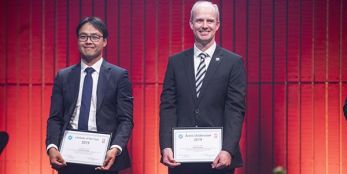
Professor Cheol-Ho Jeong (Left) A KAIST alumnus and an associate professor at the Technical University of Denmark (DTU), Dr. Cheol-Ho Jeong was selected as the recipient of the Lecturer of the Year 2019 Award by DTU. Professor Jeong received his B.S., M.Sc., and Ph. D. degrees from KAIST’s Department of Mechanical Engineering in August 2007 under the supervision of Professor Jeong-Guon Ih, and has been serving as an assistant followed by associate professor at DTU’s Department of Electrical Engineering since October 2007. His research covers wide arrays of architectural acoustics, environmental acoustics, psychoacoustics, and structural acoustics. Every year, the students at DTU nominate one or two lecturer(s) of the year. The award celebrates and honors the selected lecturers for showing great commitment not only to education itself, but also to their communication and engagement with the students. This year, the DTU student union Polyteknisk Forening nominated Professor Jeong for his outstanding course evaluations for his excellent teaching over the years. One of the student testimonies for the award read, "Professor Jeong is one of the best teachers I have ever had at DTU. He is very humane and approachable." The awards ceremony was held on May 3 at DTU during the 2019 Annual Commemoration Party and Professor Jeong was warmly congratulated by the Crown Prince Couple of Denmark. The other award was given to Professor Robert Madsen from DTU’s Chemistry department. ©Photo and Quote: Ulrik Jantzen, Büro Jantzen, Camilla Christiane Hermann.
-
Engineered Microbial Production of Grape Flavoring
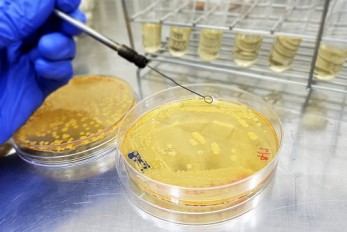
(Image 1: Engineered bacteria that produce grape flavoring.) Researchers report a microbial method for producing an artificial grape flavor. Methyl anthranilate (MANT) is a common grape flavoring and odorant compound currently produced through a petroleum-based process that uses large volumes of toxic acid catalysts. Professor Sang-Yup Lee’s team at the Department of Chemical and Biomolecular Engineering demonstrated production of MANT, a naturally occurring compound, via engineered bacteria. The authors engineered strains of Escherichia coli and Corynebacetrium glutamicum to produce MANT through a plant-based engineered metabolic pathway. The authors tuned the bacterial metabolic pathway by optimizing the levels of AAMT1, the key enzyme in the process. To maximize production of MANT, the authors tested six strategies, including increasing the supply of a precursor compound and enhancing the availability of a co-substrate. The most productive strategy proved to be a two-phase extractive culture, in which MANT was extracted into a solvent. This strategy produced MANT on the scale of 4.47 to 5.74 grams per liter, a significant amount, considering that engineered microbes produce most natural products at a scale of milligrams or micrograms per liter. According to the authors, the results suggest that MANT and other related molecules produced through industrial processes can be produced at scale by engineered microbes in a manner that would allow them to be marketed as natural one, instead of artificial one. This study, featured at the Proceeding of the National Academy of Sciences of the USA on May 13, was supported by the Technology Development Program to Solve Climate Changes on Systems Metabolic Engineering for Biorefineries from the Ministry of Science and ICT. (Image 2. Overview of the strategies applied for the microbial production of grape flavoring.)
-
Professor Yim Appointed As Associate Editor of Nuc..
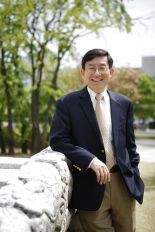
Professor Man-Sung Yim from the Department of Nuclear and Quantum Engineering was appointed as the associate editor (for the Asian region) of Nuclear Technology ― a leading international research journal of the American Nuclear Society. Professor Yim will serve his term for three years from May 2019. The American Nuclear Society, established in 1954, is comprised of more than 11,000 global members and aims to advance nuclear science, engineering, and technology while supporting the peaceful and beneficial applications of nuclear energy. Since its first publication in 1971, Nuclear Technology has been a representative journal of the society, reporting state-of-the-art information on all phases of the practical applications of nuclear technology. Professor Yim is being recognized worldwide for his pioneering nuclear education, research, and policy studies in the fields of non-proliferation, safeguards for severe accident management, and waste management. He served as the head professor of the Department of Nuclear and Quantum Engineering and established the Nonproliferation Education and Research Center (NEREC) at KAIST. Professor Yim remarked, “Asia has an important role to play at the forefront of the world’s nuclear research considering that nuclear development is most actively being carried out in the Asian region these days.”
-
KAIST Identifies the Cause of Sepsis-induced Lung ..
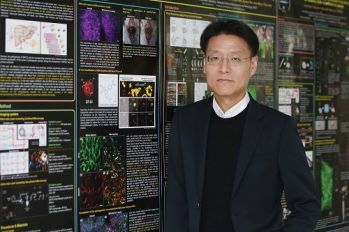
(Professor Pilhan Kim from the Graduate School of Medical Science and Engineering) A KAIST research team succeeded in visualizing pulmonary microcirculation and circulating cells in vivo with a custom-built 3D intravital lung microscopic imaging system. They found a type of leukocyte called neutrophils aggregate inside the capillaries during sepsis-induced acute lung injury (ALI), leading to disturbances and dead space in blood microcirculation. According to the researchers, this phenomenon is responsible for tissue hypoxia causing lung damage in the sepsis model, and mitigating neutrophils improves microcirculation as well as hypoxia. The lungs are responsible for exchanging oxygen with carbon dioxide gases during the breathing process, providing an essential function for sustaining life. This gas exchange occurs in the alveoli, each surrounded by many capillaries containing the circulating red blood cells. Researchers have been making efforts to observe microcirculation in alveoli, but it has been technically challenging to capture high-resolution images of capillaries and red blood cells inside the lungs that are in constant breathing motion. Professor Pilhan Kim from the Graduate School of Medical Science and Engineering and his team developed an ultra-fast laser scanning confocal microscope and an imaging chamber that could minimize the movement of a lung while preserving its respiratory state. They used this technology to successfully capture red blood cell circulation inside the capillaries of animal models with sepsis. During the process, they found that hypoxia was induced by the increase of dead space inside the lungs of a sepsis model, a space where red blood cells do not circulate. This phenomenon is due to the neutrophils aggregating and trapping inside the capillaries and the arterioles. It was also shown that trapped neutrophils damage the lung tissue in the sepsis model by inhibiting microcirculation as well as releasing reactive oxygen species. Further studies showed that the aggregated neutrophils inside pulmonary vessels exhibit a higher expression of the Mac-1 receptor (CD11b/CD18), which is a receptor involved in intercellular adhesion, compared to the neutrophils that normally circulate. Additionally, they confirmed that Mac-1 inhibitors can improve inhibited microcirculation, ameliorate hypoxia, while reducing pulmonary edema in the sepsis model. Their high-resolution 3D intravital microscope technology allows the real-time imaging of living cells inside the lungs. This work is expected to be used in research on various lung diseases, including sepsis. The research team’s pulmonary circulation imaging and precise analytical techniques will be used as the base technology for developing new diagnostic technologies, evaluating new therapeutic agents for various diseases related to microcirculation. Professor Kim said, “In the ALI model, the inhibition of pulmonary microcirculation occurs due to neutrophils. By controlling this effect and improving microcirculation, it is possible to eliminate hypoxia and pulmonary edema – a new, effective strategy for treating patients with sepsis.” Their 3D intravital microscope technology was commercialized through IVIM Technology, Inc., which is a faculty startup at KAIST. They released an all-in-one intravital microscope model called ‘IVM-CM’ and ‘IVM-C’. This next-generation imaging equipment for basic biomedical research on the complex pathophysiology of various human diseases will play a crucial role in the future global bio-health market. This research, led by Dr. Inwon Park from the Department of Emergency Medicine at Seoul National University Bundang Hospital and formally the Graduate School of Medical Science and Engineering at KAIST, was published in the European Respiratory Journal (2019, 53:1800736) on March 28, 2019. Figure 1. Custom-built high-speed real-time intravital microscope platform Figure 2. Illustrative schematic and photo of a 3D intravital lung microscopic imaging system Figure 3. Aggregation of neutrophils and consequent flow disturbance in pulmonary arteriole in sepsis-induced lung injury
-
Five Biomarkers for Overcoming Colorectal Cancer D..
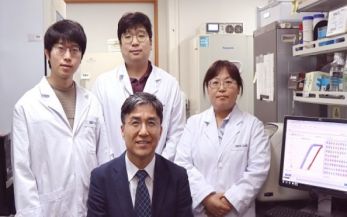
< Professor Kwang-Hyun Cho's Team > KAIST researchers have identified five biomarkers that will help them address resistance to cancer-targeting therapeutics. This new treatment strategy will bring us one step closer to precision medicine for patients who showed resistance. Colorectal cancer is one of the most common types of cancer worldwide. The number of patients has surpassed 1 million, and its five-year survival rate significantly drops to about 20 percent when metastasized. In Korea, the surge of colorectal cancer has been the highest in the last 10 years due to increasing Westernized dietary patterns and obesity. It is expected that the number and mortality rates of colorectal cancer patients will increase sharply as the nation is rapidly facing an increase in its aging population. Recently, anticancer agents targeting only specific molecules of colon cancer cells have been developed. Unlike conventional anticancer medications, these selectively treat only specific target factors, so they can significantly reduce some of the side-effects of anticancer therapy while enhancing drug efficacy. Cetuximab is the most well-known FDA approved anticancer medication. It is a biomarker that predicts drug reactivity and utilizes the presence of the ‘KRAS’ gene mutation. Cetuximab is prescribed to patients who don’t carry the KRAS gene mutation. However, even in patients without the KRAS gene mutation, the response rate of Cetuximab is only about fifty percent, and there is also resistance to drugs after targeted chemotherapy. Compared with conventional chemotherapy alone, the life expectancy only lasts five months on average. In research featured in the FEBS Journal as the cover paper for the April 7 edition, the KAIST research team led by Professor Kwang-Hyun Cho at the Department of Bio and Brain Engineering presented five additional biomarkers that could increase Cetuximab responsiveness using systems biology approach that combines genomic data analysis, mathematical modeling, and cell experiments. The experimental inhibition of newly discovered biomarkers DUSP4, ETV5, GNB5, NT5E, and PHLDA1 in colorectal cancer cells has been shown to overcome Cetuximab resistance in KRAS-normal genes. The research team confirmed that when suppressing GNB5, one of the new biomarkers, it was shown to overcome resistance to Cetuximab regardless of having a mutation in the KRAS gene. Professor Cho said, “There has not been an example of colorectal cancer treatment involving regulation of the GNB5 gene.” He continued, “Identifying the principle of drug resistance in cancer cells through systems biology and discovering new biomarkers that could be a new molecular target to overcome drug resistance suggest real potential to actualize precision medicine.” This study was supported by the National Research Foundation of Korea (NRF) and funded by the Ministry of Science and ICT (2017R1A2A1A17069642 and 2015M3A9A7067220). Image 1. The cover of FEBS Journal for April 2019
-
Nanomaterials Mimicking Natural Enzymes with Super..
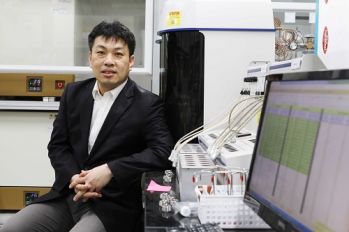
(Professor Jinwoo Lee from the Department of Chemical and Biomolecular Engineering) A KAIST research team doped nitrogen and boron into graphene to selectively increase peroxidase-like activity and succeeded in synthesizing a peroxidase-mimicking nanozyme with a low cost and superior catalytic activity. These nanomaterials can be applied for early diagnosis of Alzheimer’s disease. Enzymes are the main catalysts in our body and are widely used in bioassays. In particular, peroxidase, which oxidizes transparent colorimetric substrates to become a colored product in the presence of hydrogen peroxide, is the most common enzyme that is used in colorimetric bioassays. However, natural enzymes consisting of proteins are unstable against temperature and pH, hard to synthesize, and costly. Nanozymes, on the other hand, do not consist of proteins, meaning the disadvantages of enzymes can be overcome with their robustness and high productivity. In contrast, most nanonzymes do not have selectivity; for example, peroxidase-mimicking nanozymes demonstrate oxidase-like activity that oxidizes colorimetric substrates in the absence of hydrogen peroxide, which keeps them away from precisely detecting the target materials, such as hydrogen peroxide. Professor Jinwoo Lee from the Department of Chemical and Biomolecular Engineering and his team were able to synthesize a peroxidase-mimicking nanozyme with superior catalytic activity and selectivity toward hydrogen peroxide. Co-doping of nitrogen and boron into graphene, which has negligible peroxidase-like activity, selectively increased the peroxidase-like activity without oxidase-like activity to accurately mimic the nature peroxidase and has become a powerful candidate to replace the peroxidase. The experimental results were also verified with computational chemistry. The nitrogen and boron co-doped graphene was also applied to the colorimetric detection of acetylcholine, which is an important neurotransmitter and successfully detected the acetylcholine even better than the nature peroxidase. Professor Lee said, “We began to study nanozymes due to their potential for replacing existing enzymes. Through this study, we have secured core technologies to synthesize nanozymes that have high enzyme activity along with selectivity. We believe that they can be applied to effectively detect acetylcholine for quickly diagnosing Alzheimer’s disease. This research, led by PhD Min Su Kim, was published in ACS Nano (10.1021/acsnano.8b09519) on March 25, 2019. Figure 1. Comparison of the catalytic activities of various nanozymes and horseradish peroxidase (HRP) toward TMB and H₂O₂ Figure 2. Schematic illustration of NB-rGO Reactions in Bioassays
-
Chair Professor Seong Honored with Don Miller Awar..
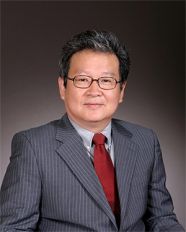
(Professor Poong-Hyun Seong) Chair Professor Poong-Hyun Seong from the Department of Nuclear & Quantum Engineering was selected as the recipient of the Don Miller Award by the American Nuclear Society. The award, established in 2009 by the American Nuclear Society in honor of former ANS President Don Miller, is given to an individual or team who has made a significant contribution to the advancement of one or both of the fields of nuclear instrumentation and control of human-machine interfaces through individual or combined activities. The award ceremony will be held on June 10 during the 2019 annual meeting of the ANS in Minneapolis in the US. Professor Seong is being recognized for his pioneering research and training in the fields of nuclear instrumentation control and human factor engineering at Korea. His research significantly contributed to safety improvements in nuclear power plants and have been recognized worldwide. Professor Seong, a fellow of the ANS, now serves as the first vice chair of the International Nuclear Societies Council and will take up the role of chair in 2021. Professor Seong said that, “ Korea is one of the most outstanding countries working on research in the fields of nuclear instrumentation control and human factors. KAIST PhDs are teaching at many universities at home and abroad. I look forward this award bringing new hope to our nuclear research and the domestic nuclear industry, which is now in difficult times.”

291 Daehak-ro, Yuseong-gu, Daejeon, Korea 34141
KAIST College of Engineering
T.+82-42-350-2114
F.+82-42-350-2210 (2220)
ⓒ KAIST College of Engineering. All rights reserved.